

Introduction
An electric portable gantry crane is an efficient material-handling solution designed to lift, lower, and move heavy loads safely and conveniently. It combines a portable gantry frame with an electrically powered hoist, making it suitable for industrial facilities, warehouses, workshops, manufacturing plants, and maintenance operations. Unlike traditional manual lifting systems, an electric portable gantry crane reduces physical effort, improves productivity, and supports smoother load handling.
As industries increasingly focus on workplace safety, operational efficiency, and cost-effective material handling, electric portable gantry cranes have become a valuable investment. Their mobility, adjustable configurations, and electric lifting capabilities make them suitable for various lifting requirements.
Whether you need lifting equipment for machinery installation, equipment maintenance, production activities, or warehouse operations, understanding the features and benefits of an electric portable gantry crane can help you select the right solution for your business.
What Is an Electric Portable Gantry Crane?
An electric portable gantry crane is a lifting system consisting of a freestanding frame, a horizontal beam, supporting legs, wheels or casters, and an electrically operated hoist. The hoist lifts and lowers loads using an electric motor, while the gantry structure provides the necessary support.
Depending on its design, the crane may be moved manually when unloaded, repositioned using a suitable powered system, or installed in a designated work area. Some models feature adjustable beam heights and spans to accommodate different working environments.
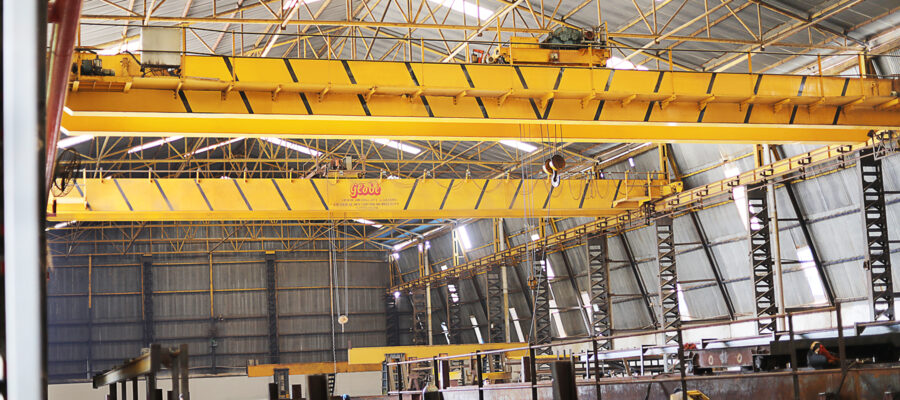
Unlike an overhead crane, which typically requires permanent runway beams and building-mounted infrastructure, a portable gantry crane can operate independently on a suitable floor. This flexibility makes it particularly useful in facilities where permanent lifting equipment is impractical or unnecessary.
The electric hoist is one of the most important components because it reduces manual lifting effort and allows operators to control the load more efficiently.
Key Components of an Electric Portable Gantry Crane
Understanding the main components helps buyers evaluate crane quality, performance, and suitability.
1. Gantry Frame
The gantry frame supports the lifting system and distributes the load through its legs to the floor. It is commonly manufactured from structural steel or aluminum, depending on the required capacity and portability.
Steel frames are generally preferred for heavy-duty industrial applications, while aluminum designs may be suitable where lower equipment weight and easier repositioning are priorities.
2. Electric Hoist
The electric hoist uses a motor-driven mechanism to raise and lower loads. Depending on the application, it may use a chain or wire rope.
An appropriately selected electric hoist improves lifting efficiency, reduces operator fatigue, and supports consistent handling of materials.
3. Horizontal Beam
The horizontal beam, also called the bridge beam, carries the hoist and transfers the lifting load to the supporting frame. Its span, strength, and design must match the intended lifting capacity and operating conditions.
4. Wheels and Casters
Wheels or casters provide mobility, allowing suitable portable gantry cranes to be repositioned. Locking mechanisms help prevent unintended movement when the crane is stationary.
The floor surface, wheel capacity, and stability requirements must be considered before moving a loaded or unloaded crane.
5. Controls and Safety Devices
Electric gantry cranes may include pendant controls, wireless controls, emergency-stop functions, overload protection, and upper or lower travel limits, depending on the configuration.
These features help operators control lifting movements and reduce the risk of equipment damage or unsafe operation.
Major Benefits of an Electric Portable Gantry Crane
1. Improved Lifting Efficiency
One of the primary benefits of an electric portable gantry crane is faster and easier lifting. The electric hoist reduces the physical effort required to handle heavy materials, helping workers complete repetitive lifting tasks more efficiently.
This can improve workflow in production areas, repair workshops, and material-handling operations.
2. Flexible and Portable Design
A portable gantry crane can serve multiple work areas when its design and operating conditions permit. This flexibility is valuable for facilities that handle different products or perform maintenance in various locations.
Some models also offer adjustable heights and spans, providing greater versatility for changing lifting requirements.
3. Reduced Installation Requirements
Unlike many fixed overhead crane systems, portable gantry cranes generally do not require permanent overhead runway structures. This can make them a practical option for rented facilities, smaller workshops, and temporary lifting stations.
However, the floor must be suitable for the crane’s wheel loads and operating forces.
4. Enhanced Workplace Safety
Manual handling of heavy loads can expose workers to strain injuries and other hazards. An electric portable gantry crane reduces the need for direct manual lifting and provides a controlled lifting mechanism.
When properly selected, installed, inspected, and operated, it can support safer material-handling practices. Appropriate training, load control, and compliance with applicable safety standards remain essential.
5. Cost-Effective Material Handling
For businesses that do not require a permanent overhead crane, an electric portable gantry crane can offer a practical alternative. Its mobility may reduce the need for multiple fixed lifting points, while electric operation can improve labor efficiency.
The overall value depends on purchase price, lifting frequency, maintenance requirements, service life, and the cost of any required accessories.
Applications of Electric Portable Gantry Cranes
Electric portable gantry cranes are used across several industries because of their versatility and compact design.
Manufacturing Plants
Manufacturers use these cranes to lift machine components, production materials, tools, and assemblies. They can support maintenance activities and material movement in designated work areas.
Warehouses and Distribution Centers
In warehouses, electric gantry cranes can assist with lifting heavy equipment, handling bulky items, and loading or unloading materials where the working conditions are suitable.
They are particularly useful in areas without permanent overhead lifting systems.
Automotive Workshops
Automotive service centers and repair facilities may use portable gantry cranes to remove or install engines, transmissions, and other heavy components. The selected crane must have sufficient capacity, clearance, and stability for the specific task.
Construction and Maintenance
Maintenance teams can use these cranes for lifting pumps, motors, generators, and other equipment during installation or repair work. Their portability can be advantageous when several work locations need occasional lifting support.
Engineering and Fabrication Workshops
Fabrication facilities handle metal components, welded assemblies, and heavy workpieces. An electric portable gantry crane can help position these items for inspection, assembly, or further processing.
Laboratories and Industrial Facilities
Certain laboratories, utilities, and technical facilities use compact gantry cranes to move specialized equipment. In these environments, factors such as available space, floor protection, precise positioning, and load control are particularly important.
Types of Electric Portable Gantry Cranes
Different crane designs serve different operational requirements.
Adjustable-Height Gantry Crane
An adjustable-height gantry crane allows the working height to be changed within the manufacturer’s specified range. It is suitable for facilities that handle equipment of different dimensions or require flexible clearance.
Height adjustments must be performed according to the manufacturer’s instructions, with the crane unloaded whenever required.
Fixed-Height Portable Gantry Crane
A fixed-height model has a predetermined working height. It can be a suitable choice when lifting tasks are consistent and the required clearance is known.
Its simpler configuration may make it attractive for dedicated workstations.
Steel Portable Gantry Crane
Steel gantry cranes are commonly selected for demanding industrial environments because of their structural strength and suitability for heavier-duty designs. Their weight may make repositioning more difficult than with lighter alternatives.
Aluminum Portable Gantry Crane
Aluminum models are often chosen when easy transportation and reduced frame weight are important. Their actual load capacity and suitability depend on the specific engineering design, rather than the material alone.
Powered-Mobility Gantry Crane
Some specialized gantry cranes incorporate powered travel systems. These designs can help move the crane in appropriate operating environments, but they require additional consideration of travel controls, floor conditions, stability, and manufacturer-approved operating procedures.
How to Choose the Right Electric Portable Gantry Crane
Selecting the right electric portable gantry crane requires evaluating the lifting task, workspace, and long-term operating requirements.
1. Determine the Required Lifting Capacity
Identify the maximum load that will be lifted, including any lifting attachments and accessories where applicable. Choose equipment with a rated capacity suitable for the complete lifting arrangement.
Never exceed the manufacturer’s rated capacity or assume that a higher-capacity hoist makes an undersized gantry frame safe.
2. Check the Required Lifting Height
Consider the height of the load, the available overhead clearance, and the distance between the floor and the hoist’s lifting point.
The required hook travel should accommodate the task without causing interference with the frame or surrounding structures.
3. Select the Appropriate Span
The beam span must provide sufficient clearance for the load and lifting operation. A wider span can increase structural demands, so capacity should always be verified for the exact crane configuration.
4. Evaluate Mobility Requirements
Determine whether the crane will remain at one workstation or move between locations. Consider wheel design, floor flatness, thresholds, available space, and the manufacturer’s rules for movement with or without a suspended load.
5. Choose the Right Electric Hoist
Consider the hoist’s rated capacity, lifting speed, duty rating, power supply, control system, and lifting medium. The hoist must be compatible with the gantry beam and trolley arrangement.
6. Review Safety Features
Look for appropriate overload protection, travel limits, emergency-stop functionality, reliable brakes, and suitable operating controls. The exact requirements depend on the equipment design, local regulations, and intended application.
7. Consider Maintenance and After-Sales Support
Check the availability of replacement parts, inspection services, technical support, and maintenance documentation. A reliable supplier should provide operating instructions, rated-capacity information, and the documentation required for safe use.
Electric Portable Gantry Crane vs. Manual Gantry Crane
The main difference between an electric portable gantry crane and a manual gantry crane is the lifting mechanism.
A manual gantry crane relies on a manually operated hoist, whereas an electric model uses a motor-powered hoist to lift and lower loads.
Electric models are often preferable for frequent lifting, heavier workloads within the equipment’s rated capacity, and operations where reducing physical effort is important. Manual models may be suitable for occasional lifting, lower usage levels, or applications where electrical power is unavailable.
The best option depends on lifting frequency, load characteristics, budget, maintenance capacity, and workplace requirements.
Maintenance Tips for Electric Portable Gantry Cranes
Regular maintenance helps preserve equipment performance and identify potential hazards before they lead to failure.
-
Inspect the frame: Check for cracks, deformation, corrosion, loose fasteners, and other visible damage.
-
Examine the hoist: Inspect the chain or wire rope, hooks, brakes, and other components according to the manufacturer’s schedule.
-
Test safety devices: Verify that controls, emergency stops, travel limits, and overload protection operate as specified.
-
Check wheels and brakes: Inspect wheels, casters, locking devices, and movement mechanisms for wear or damage.
-
Follow lubrication requirements: Lubricate components only as instructed by the manufacturer.
-
Maintain inspection records: Document inspections, servicing, defects, and corrective actions.
-
Remove defective equipment from service: Do not use a crane with unresolved safety-critical defects.
Inspections should be carried out by competent personnel at the intervals required by the manufacturer and applicable regulations.
Safety Precautions When Operating an Electric Portable Gantry Crane
Safe operation is essential for protecting workers, materials, and equipment.
Always verify the load weight before lifting and ensure the load is securely attached. Position the crane on a suitable surface and engage the appropriate locking devices before lifting. Keep people clear of suspended loads, avoid side pulling, and never lift loads over personnel.
Operators should be trained in the crane’s controls, load limits, emergency procedures, and inspection requirements. Do not move a crane with a suspended load unless the manufacturer explicitly permits that specific operation and all required conditions are met.
The crane must be used according to its rated capacity, approved configuration, and applicable workplace safety requirements.
Conclusion
An electric portable gantry crane is a versatile and efficient solution for businesses that need flexible lifting equipment without installing a permanent overhead crane system. Its electric hoist, portable frame, and range of available configurations make it suitable for manufacturing, warehousing, automotive repair, fabrication, and maintenance applications.
By evaluating lifting capacity, working height, beam span, mobility, safety features, and maintenance support, businesses can select a crane that matches their operational needs.
Investing in a properly engineered electric portable gantry crane can improve material-handling efficiency, reduce manual lifting effort, and support safer workflows. For the best results, choose equipment from a reputable supplier, follow the manufacturer’s instructions, and ensure that every lifting operation is planned and performed safely.
Frequently Asked Questions (FAQs)
1. What is an electric portable gantry crane used for?
It is used to lift, lower, and position heavy loads in workshops, warehouses, manufacturing plants, automotive facilities, and maintenance areas.
2. What are the advantages of an electric portable gantry crane?
Its main advantages include powered lifting, reduced manual effort, flexible positioning, limited need for permanent overhead infrastructure, and suitability for a wide range of material-handling tasks.
3. Can an electric portable gantry crane be moved?
Yes, many models are designed for repositioning on suitable floors. However, movement with a suspended load is permitted only when the specific crane is designed and approved for that operation.
4. How do I choose the right gantry crane capacity?
Determine the maximum load, account for relevant lifting attachments, and select a crane whose rated capacity covers the complete lifting arrangement. Also verify the capacity for the selected span, height, and configuration.
5. Is an electric portable gantry crane suitable for small workshops?
Yes. Compact models can be useful in small workshops where heavy components need to be lifted but permanent overhead crane infrastructure is impractical.
6. How often should an electric portable gantry crane be inspected?
Inspection frequency depends on the manufacturer’s recommendations, equipment usage, operating conditions, and applicable regulations. Pre-use checks and scheduled inspections should be performed by appropriately trained or competent personnel.
7. What factors affect the price of an electric portable gantry crane?
Price depends on rated capacity, frame material, beam span, lifting height, hoist type, travel features, control system, safety accessories, customization, and after-sales support.
8. Is an electric gantry crane better than a manual gantry crane?
An electric model is often better for frequent lifting and applications where reduced operator effort is important. A manual model may be more economical for occasional lifting tasks. The right choice depends on the application and operating budget.
- April 13, 2024
- By:admin
- Category:Material Handling
- Tags: Electric Portable Gantry Crane
- no comments
Related Posts